
 Introduction:
In today's digital era, where connectivity is the heartbeat of businesses, establishing a robust Wi-Fi network is paramount. While the allure of DIY approaches or off-the-shelf solutions exists, the profound advantages of engaging professionals armed with high-level software and measuring devices cannot be overstated. This exploration delves into why businesses should choose professional Wi-Fi network design, leveraging advanced tools for optimal performance, reliability, and scalability.
Section 1: Complexity of Modern Wi-Fi Networks
The contemporary business landscape is marked by a multitude of connected devices, varied applications, and dynamic user demands. Designing a Wi-Fi network to meet these complexities demands expertise and specialized tools, and this section outlines the challenges businesses face in achieving seamless connectivity without professional assistance.
Subsection 1.1: Growing Importance of Wi-Fi Networks
As businesses increasingly rely on digital tools and cloud-based applications, the need for a reliable Wi-Fi network becomes undeniable. We explore the transformative role of Wi-Fi in modern business operations and the consequences of suboptimal network design.
Subsection 1.2: Navigating Wi-Fi Standards
The ever-evolving Wi-Fi standards add complexity. Professional Wi-Fi network designers must stay current to ensure compatibility, security, and optimal performance. We delve into the intricacies of Wi-Fi standards and their implications for businesses.
Section 2: Role of Professional Wi-Fi Network Design
Effective Wi-Fi network design goes beyond simple connectivity. This section highlights the crucial aspects of professional network design and its contribution to overall business success and efficiency.
Subsection 2.1: Comprehensive Site Surveys
Professional Wi-Fi network designers conduct thorough site surveys to understand the unique environment, assessing building layouts, identifying potential interference sources, and understanding user behavior. Site surveys lay the foundation for a tailored and effective network design.
Subsection 2.2: Capacity Planning and Traffic Analysis
Understanding capacity requirements and analyzing network traffic patterns are essential for designing a network that handles modern business demands. Professionals leverage high-level software and measuring devices for in-depth capacity planning and traffic analysis, ensuring optimal performance.
Subsection 2.3: Device Compatibility and Diversity
With a proliferation of devices, ensuring compatibility is paramount. Professional Wi-Fi network designers consider the diverse range of devices used in businesses and design networks accommodating this diversity.
Section 3: Advantage of Advanced Tools in Wi-Fi Network Design
High-level software and measuring devices provide professional Wi-Fi network designers with a toolkit to enhance the design process. This section explores the specific advantages of leveraging advanced tools in Wi-Fi network design.
Subsection 3.1: Predictive Modeling for Coverage
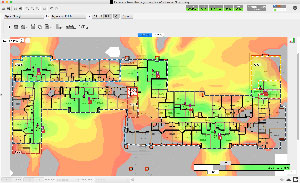
Advanced tools enable designers to simulate Wi-Fi coverage before physical installations, identifying potential gaps and ensuring a comprehensive and reliable network.
Subsection 3.2: Real-Time Location Tracking
Real-time location tracking features enhance business efficiency and security by implementing location-based services and asset tracking.
Subsection 3.3: Spectrum Analysis for Interference Mitigation
Sophisticated tools facilitate spectrum analysis, identifying and mitigating potential sources of interference for a clean and interference-free Wi-Fi environment.
Subsection 3.4: Collaborative Design Capabilities
Tools with collaborative features allow multiple stakeholders to work seamlessly on the network design process, enhancing overall success.
Section 4: Ensuring Scalability and Future-Proofing
Scalability is key for businesses anticipating growth. Professional Wi-Fi network designers, equipped with advanced tools, future-proof networks by designing them to scale seamlessly with evolving business requirements.
Subsection 4.1: Planning for Business Expansion
Well-designed Wi-Fi networks accommodate business changes without disruptions. Professional designers factor in business expansion plans during the initial design phase.
Subsection 4.2: Adaptability to Technological Advancements
Professionals consider future technological trends, ensuring networks seamlessly integrate new devices and technologies.
Section 5: Security Considerations in Wi-Fi Network Design
Security is a top priority in any network design. This section highlights security considerations and how advanced tools contribute to creating secure networks
Subsection 5.1: Encryption Protocols and Security Standards
Implementing strong encryption protocols and adhering to security standards are fundamental aspects of network design.
Subsection 5.2: Guest Network Isolation and Access Control
Creating secure guest networks with appropriate isolation measures is vital for maintaining the security of internal networks.
Section 6: Cost-Effectiveness of Professional Wi-Fi Network Design
While there's an initial investment, the long-term cost-effectiveness of a well-designed network is undeniable. This section discusses how professional Wi-Fi network design contributes to cost savings over time.
Subsection 6.1: Reduction in Maintenance Costs
Well-designed networks experience fewer issues, leading to reduced maintenance costs.
Subsection 6.2: Mitigation of Downtime and Productivity Losses
Professional Wi-Fi network designers aim to minimize downtime through robust design, saving businesses from productivity losses.
Section 7: Recommendations for Businesses
This section provides actionable recommendations for businesses considering professional Wi-Fi network design with tools emphasizing high-level software and measuring devices.
Subsection 7.1: Conduct a Network Assessment
Before any design project, conduct a comprehensive network assessment with professionals armed with high-level tools.
Subsection 7.2: Engage Certified Wi-Fi Professionals
Seek certified professionals with industry knowledge for effective Wi-Fi network design.
Subsection 7.3: Leverage Advanced Design Tools
Prioritize designers who utilize advanced tools for predictive modeling, site surveys, and spectrum analysis.
Subsection 7.4: Prioritize Security in Design
Work closely with designers to implement robust security measures in network design.
Conclusion:
In this exploration, we've underscored the critical importance of professional Wi-Fi network design with tools emphasizing high-level software and measuring devices. As businesses recognize the transformative impact of well-designed Wi-Fi networks on their operations, we encourage you to take the next step. For more information and to optimize your business connectivity, reach out to [Wi-Fi Design](https://www.wifidesign.com). Our team of experts stands ready to provide tailored solutions aligned with your unique requirements, propelling your business into a future of seamless, high-performance connectivity. Don't just connect; elevate your network with professional Wi-Fi design.